Now Reading: Why Arizona Pool Tile Cracks Can Become Expensive Repairs
-
01
Why Arizona Pool Tile Cracks Can Become Expensive Repairs
Arizona Pool Tile Cracks Are Common in Desert Climates
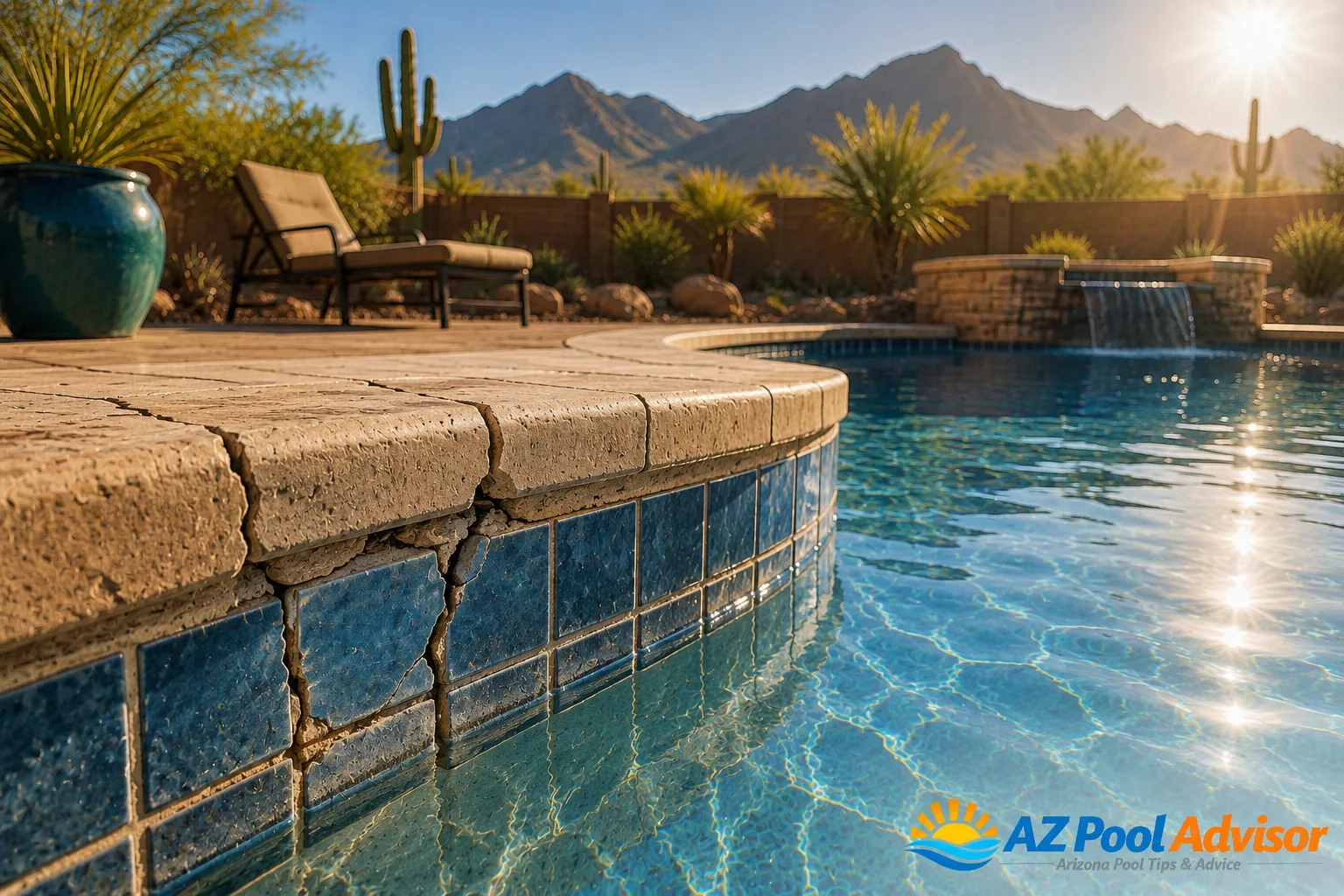
Arizona pool tile cracks are a common problem because swimming pools are constantly exposed to extreme heat, sunlight, ground movement, and changing temperatures throughout the year.
Small tile cracks may not seem serious at first, but they can eventually lead to larger repair problems if ignored.
Cracked pool tile may affect both the appearance of the pool and the condition of surrounding surfaces over time.
Arizona’s desert environment often accelerates wear on pool materials compared to cooler climates.
“Arizona pool tile cracks can slowly become larger structural repair problems over time.”
What Causes Arizona Pool Tile Cracks?
Several factors may contribute to Arizona pool tile cracks.
Extreme heat causes pool materials to expand and contract repeatedly throughout the year.
Ground movement, shifting soil, and age may also place stress on tile surfaces and grout lines.
Common causes of Arizona pool tile cracks include:
- Extreme temperature changes
- Ground movement
- Pool settling
- Aging materials
- Improper installation
- Calcium buildup pressure
Arizona hard water conditions may also contribute to long-term surface wear.
Why Pool Tile Damage Should Not Be Ignored
Small tile cracks may eventually allow water to reach underlying surfaces behind the tile.
Over time, moisture intrusion can weaken surrounding materials and increase repair costs.
Damaged tile may also create rough or sharp edges around the pool.
Ignoring Arizona pool tile cracks may eventually lead to:
- Loose pool tiles
- Grout deterioration
- Water intrusion
- Surface staining
- Larger repair areas
“Small pool tile cracks can eventually spread and create more expensive repair problems.”
Arizona Hard Water Can Make Tile Problems Worse
Arizona pools often experience heavy calcium buildup because of hard water and evaporation.
As calcium accumulates around damaged tile areas, pressure and surface deterioration may gradually increase.
White calcium buildup around tile lines is very common throughout Arizona.
Pool owners dealing with buildup may also want to review our article on white stains and calcium deposits.
Signs You May Need Pool Tile Repairs
Several warning signs may indicate Arizona pool tile repairs are needed.
- Visible cracked tiles
- Loose pool tiles
- Missing grout lines
- Sharp tile edges
- Calcium buildup near cracks
- Water staining around the tile line
Addressing these problems early may help reduce future repair costs.
“Loose or cracked pool tiles may indicate larger surface or structural issues developing underneath.”
How Arizona Heat Affects Pool Materials
Arizona pool surfaces experience constant exposure to intense sunlight and high temperatures.
Pool materials repeatedly expand during the day and cool down at night.
Over time, this movement may weaken grout lines and increase stress on tile installations.
Older pools often become more vulnerable to tile problems as materials age.
Preventing Arizona Pool Tile Cracks
Routine maintenance and inspections may help reduce the risk of larger tile repair problems.
Helpful maintenance steps include:
- Inspecting tile lines regularly
- Monitoring calcium buildup
- Maintaining balanced pool chemistry
- Addressing loose tiles quickly
- Cleaning pool surfaces regularly
- Watching for grout deterioration
Consistent maintenance may help extend the life of pool surfaces and tile areas.
Pool owners can also review EPA WaterSense water conservation guidelines for additional information about pool maintenance and water management.
“Routine inspections may help Arizona homeowners catch small tile problems before they spread.”
Final Thoughts
Arizona pool tile cracks are a common repair issue because of extreme heat, hard water, and long-term material stress.
Small cracks and loose tiles can gradually worsen if water intrusion and surface damage are ignored.
Routine inspections, balanced water chemistry, and early repairs may help Arizona pool owners reduce long-term repair costs while protecting their swimming pool surfaces.

Brandon LaVere is a local pool owner based in Chandler, Arizona, with firsthand experience dealing with the challenges that Arizona heat, hard water, algae growth, and pool maintenance can create for homeowners. Through AZ Pool Advisor, Brandon shares practical pool care tips, real-world experiences, and Arizona-focused advice designed to help homeowners better understand and maintain their swimming pools throughout the year.